I've been in the cleaning business long enough to know that most people think their home is clean—until they actually see what clean really means.
You vacuum every week. You wipe down the counters. You run a mop across the kitchen floor. Your home looks fine, and you feel like you're doing a good job keeping up with it.
But here's what I've learned after years of working with homes across Southwest Florida: what looks clean on the surface isn't always truly clean underneath.
There's a real difference between regular cleaning and deep cleaning. Understanding this difference changed how I approach every home I work on. Today, I want to share what I've learned so you can make better decisions about your own space.
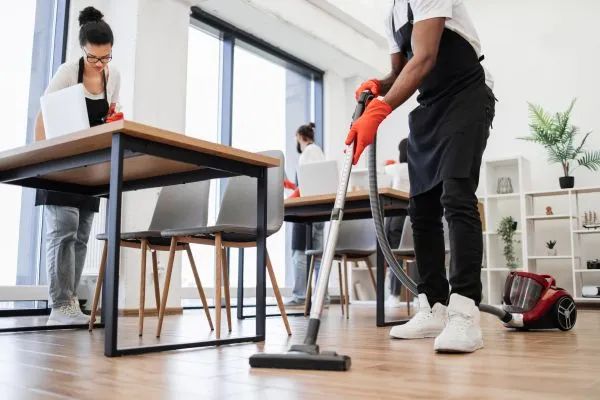
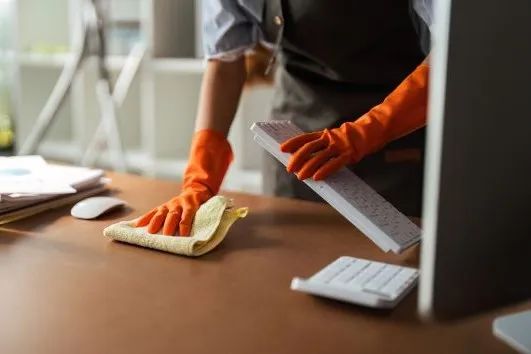
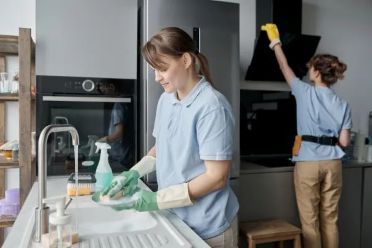
Regular cleaning is your weekly routine. It's the maintenance work that keeps your home looking presentable day to day.
When I do regular cleaning for clients in Punta Gorda, Cape Coral, or Fort Myers, here's what that includes:
This type of cleaning handles the dirt you can see. It removes fresh spills, daily dust, and surface grime. It keeps your home functional and prevents messes from piling up.
Regular cleaning works great when you stay consistent with it. The problem starts when people assume this level of cleaning is enough to maintain a truly healthy home.
I remember the first time I showed a client what was hiding behind her refrigerator. She'd lived in that house for five years and kept it spotless—or so she thought. When we pulled the fridge out during a deep clean, there was a thick layer of dust, grease, and debris that had built up over time.
She was shocked. "How did I not know this was here?"
That's the thing about deep dirt. It builds up in places you don't see during regular cleaning. Your home can look perfectly clean while harboring dust, allergens, and bacteria in hidden spots.
Here's where deep dirt actually lives:
Behind and under appliances. Your refrigerator, oven, and washing machine collect dust and grime underneath and behind them. This affects air quality and can even make your appliances work less efficiently.
Inside cabinets and drawers. Crumbs, spills, and dust settle inside kitchen cabinets and bathroom drawers. Over time, this creates sticky residue and attracts pests.
Baseboards and trim. These areas collect dust and grime that regular dusting doesn't catch. The buildup becomes visible when light hits it at certain angles.
Grout lines. Tile grout absorbs dirt, mold, and mildew. Regular mopping doesn't clean deep enough to remove what's embedded in the porous surface.
Ceiling fans and light fixtures. Dust accumulates on top of fan blades and inside light covers. When the fan runs, it spreads that dust throughout your room.
Window tracks and blinds. These spots trap dirt, dead bugs, and allergens. Most people only notice when they try to open a window and feel the grit.
Upholstered furniture. Your couches and chairs absorb body oils, pet dander, food particles, and dust mites. You can't see most of this, but it's there.
I've worked on homes where regular cleaning happened every single week, but the deep cleaning hadn't been done in years. The difference in air quality alone was noticeable within hours of finishing a deep clean.
Most homes in Southwest Florida need a deep clean every three to six months. If you have pets, kids, or allergies, you might need it more often.
I tell my clients to schedule deep cleaning service when they notice these signs:
Your home feels dusty even after cleaning. You run the vacuum and wipe surfaces, but dust reappears quickly. This usually means dust is coming from places your regular cleaning doesn't reach.
Allergies get worse indoors. If you're sneezing more at home than outside, allergens are hiding somewhere in your space.
Surfaces feel sticky or grimy. When counters, cabinets, or floors feel tacky to the touch, there's buildup that regular cleaning can't remove.
You see visible buildup in corners or edges. Dark lines along baseboards, grime in grout lines, or residue around faucets all signal it's time for deep cleaning.
It's been more than six months since your last deep clean. Even if your home looks fine, buildup happens over time whether you see it or not.
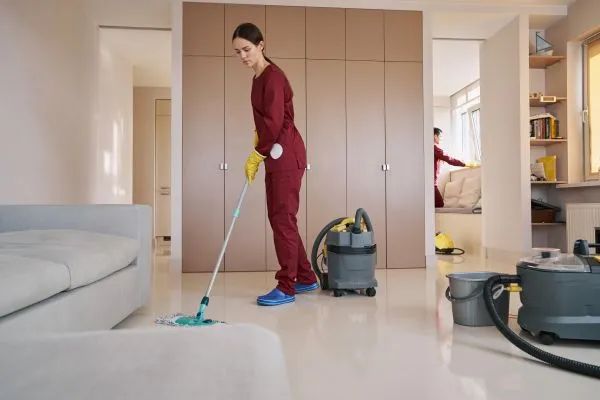
Deep cleaning takes longer and requires different techniques than regular cleaning. When I do a deep clean, I'm not just maintaining what's already clean—I'm restoring areas that have been neglected.
Here's what actually happens during a proper deep clean:
We move furniture and appliances to clean underneath and behind them. This removes dust, debris, and sometimes items you forgot you lost.
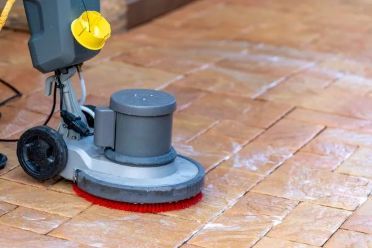
We scrub grout lines and tile surfaces. This removes embedded dirt and prevents mold growth. For heavily soiled grout, we use specialized cleaning and sealing services to restore the original appearance.
We clean inside cabinets, drawers, and closets. Everything gets emptied, wiped down, and reorganized. You'd be surprised how much cleaner a kitchen feels when the insides match the outside.
We detail baseboards, trim, and molding. These areas get hand-wiped to remove built-up grime that regular dusting misses.
We clean light fixtures, ceiling fans, and vents. This improves air circulation and reduces the amount of dust floating through your home.
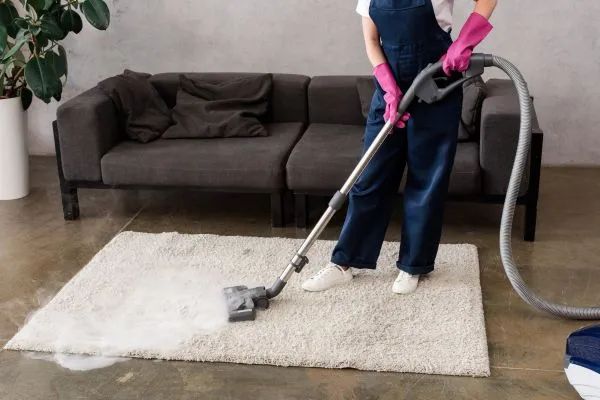
We treat carpets and upholstery. Deep carpet cleaning removes embedded dirt and allergens that vacuuming can't reach. This extends the life of your flooring and improves indoor air quality.
We clean windows, tracks, and blinds. This lets in more natural light and removes allergens that accumulate in these overlooked spaces.
A deep clean resets your home. After it's done, maintaining cleanliness with regular cleaning becomes much easier.
I've had clients tell me they felt physically better after a deep clean. At first, I thought they were exaggerating. Then I started paying attention to the research.
Poor indoor air quality affects your health more than most people realize. Dust, pet dander, mold spores, and chemical residues build up in your home over time. When you breathe this air day after day, it can trigger allergies, asthma, and respiratory issues.
Deep cleaning removes these hidden contaminants. You're not just making your home look better—you're making it healthier to live in.
I've worked with families whose kids had constant sniffles and coughs. After a thorough deep clean that removed dust from vents, allergens from carpets, and mold from bathroom grout, their symptoms improved. Parents noticed the difference within days.
This isn't about fear-mongering. It's about understanding that your home's cleanliness directly affects your well-being. Regular cleaning maintains surface hygiene, but deep cleaning addresses the sources of indoor air pollution.
I respect people who take care of their own homes. But I've also seen what happens when someone tries to deep clean without the right tools, products, or knowledge.
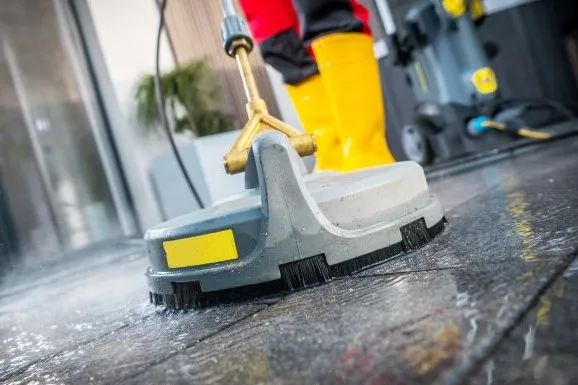
Deep cleaning requires specialized equipment. Professional-grade carpet cleaners, grout brushes, HEPA-filter vacuums, and steam cleaners work better than consumer products. The difference in results is significant.
It also requires time and physical effort most people don't have. Moving appliances, scrubbing grout on your hands and knees, and detailing every baseboard in your home takes hours. When you factor in the learning curve and potential for mistakes, DIY deep cleaning often ends up incomplete or done incorrectly.
I've had clients who tried to clean their own tile grout with harsh chemicals and ended up damaging the surface. Others spent entire weekends deep cleaning their homes and still missed critical areas because they didn't know where to look.
Professional cleaning means you get consistent results without the physical strain or time investment. Your weekends stay free, and your home gets the thorough attention it needs.
You don't need to deep clean your entire house every month. That would be excessive and expensive.
What works best is combining regular cleaning with periodic deep cleaning. This approach maintains your home's appearance while addressing hidden dirt before it becomes a problem.
For most homes in areas like Venice, Englewood, or Naples, I recommend regular cleaning every one to two weeks and deep cleaning every three to six months. This schedule keeps homes truly clean without being overwhelming.
If you're preparing to sell your home, hosting an event, or moving in or out, deep cleaning becomes essential. These situations require your space to look its absolute best, and only deep cleaning can achieve that level of polish.
After working with hundreds of homes across Southwest Florida, I've seen how much of a difference proper deep cleaning makes. Homes feel lighter. Air smells fresher. Surfaces shine in ways they haven't in years.
If you're in Punta Gorda, Fort Myers, Cape Coral, or surrounding areas, and you're ready to see what truly clean looks like, we're here to help. At Babcock Cleaning Services, we handle both regular maintenance and deep cleaning with the same attention to detail. Our team is background-checked, insured, and trained to deliver results that last.
We don't rush through jobs or cut corners. Every space we work on reflects our commitment to doing things right—and we back that up with $2 million in liability insurance and $50,000 in janitorial bonding.
Your home deserves more than surface-level clean. Let us show you the difference.
Call us at 941-229-0153 or get a free quote for your deep cleaning service today.
Most homes need deep cleaning every three to six months. If you have pets, children, or family members with allergies, consider scheduling it every three months for better air quality and overall cleanliness.
Regular cleaning maintains surface cleanliness by handling visible dirt and daily messes. Deep cleaning targets hidden areas like behind appliances, inside cabinets, grout lines, and upholstery where dirt and allergens accumulate over time.
Yes. Deep cleaning removes dust mites, pet dander, mold spores, and other allergens that regular cleaning can't reach. Many people notice improved air quality and reduced allergy symptoms after a thorough deep clean.

We deliver our elevated standard of cleaning to select commercial and residential clients across Southwest Florida—serving those who value consistency, precision, and results that reflect their standards.